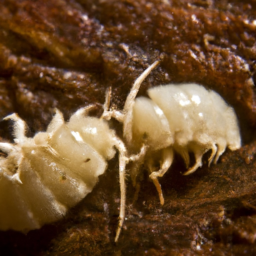
Subterranean termites are notorious for causing significant damage to homes and structures, making effective termite control essential for homeowners. One of the most widely used insecticides for this purpose is imidacloprid, a member of the neonicotinoid class of chemicals. Understanding how imidacloprid works and its application in termite control can help homeowners make informed decisions about pest management.
Imidacloprid acts on the nervous system of insects, disrupting their ability to transmit signals. This disruption leads to paralysis and ultimately death. Its effectiveness against a variety of pests, including subterranean termites, has made it a popular choice among pest control professionals. When applied correctly, imidacloprid can provide long-lasting protection against termite infestations.
One of the key advantages of using imidacloprid for termite control is its systemic nature. This means that when termites come into contact with treated soil or wood, they can ingest the chemical, leading to a more comprehensive eradication of the colony. This is particularly important for subterranean termites, which live in colonies underground and can be difficult to reach with traditional treatments.
When considering termite control options, it’s essential to understand the application methods for imidacloprid. Typically, it is applied as a liquid treatment around the foundation of a home. This creates a barrier that prevents termites from entering the structure. Additionally, imidacloprid can be used in baiting systems, where it is placed in stations around the property. Termites consume the bait and carry it back to their colony, effectively spreading the chemical throughout the population.
Another aspect to consider is the safety of imidacloprid. While it is effective against termites, it is crucial to follow the manufacturer’s guidelines to minimize any potential risks to humans and pets. Many pest control companies, including ADA Assist, emphasize the importance of professional application to ensure safety and effectiveness. Proper training and equipment can help mitigate any health risks associated with pesticide use.
In terms of environmental impact, imidacloprid has been the subject of scrutiny. Some studies have raised concerns about its effects on non-target species, including beneficial insects. Therefore, it is vital to use this chemical judiciously and in conjunction with other pest management strategies. Integrated pest management (IPM) approaches often combine chemical treatments with physical barriers and habitat modifications to enhance termite control while minimizing environmental risks.
Homeowners should also be aware of the potential for resistance development. Over-reliance on a single chemical can lead to reduced effectiveness over time. Therefore, rotating different classes of insecticides and employing various termite control methods can help maintain the efficacy of treatments. This is where professional pest control services, like those offered by ADA Assist, can provide valuable insights and tailored solutions for termite management.
Monitoring is another critical component of effective termite control. Regular inspections can help identify early signs of infestation, allowing for prompt action before significant damage occurs. Homeowners should be vigilant for signs such as mud tubes, discarded wings, and hollow-sounding wood. Early detection can make a substantial difference in the success of any termite control strategy.
In addition to chemical treatments, there are several preventive measures that homeowners can take to reduce the risk of termite infestations. Keeping wood piles away from the foundation, ensuring proper drainage, and sealing cracks and crevices can all contribute to a less inviting environment for termites. These practices, combined with professional termite control, can significantly enhance the protection of a home.
As the conversation around pest management continues to evolve, the use of imidacloprid in termite control remains a relevant topic. With its effectiveness and systemic properties, it offers a viable solution for homeowners facing the threat of subterranean termites. However, understanding its application, safety, and environmental considerations is crucial for responsible use. The ongoing dialogue about best practices in pest management will likely shape the future of termite control strategies.
Leave a Reply