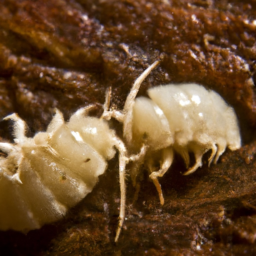
Imidacloprid is a widely used insecticide that belongs to the neonicotinoid class of chemicals. Its effectiveness against a variety of pests, particularly subterranean termites, has made it a popular choice in the realm of pest management. Understanding the chemical properties and mechanism of action of imidacloprid is essential for anyone involved in termite control or pest management.
One of the key chemical properties of imidacloprid is its ability to act as a systemic insecticide. This means that when it is applied to plants or soil, it can be absorbed and translocated throughout the plant, making it effective against pests that feed on the treated areas. This property is particularly beneficial in termite control, as it allows the chemical to reach termites that may be hidden within the wood or soil.
Imidacloprid is a selective neurotoxin, which means it targets the nervous system of insects. It binds to specific receptors in the insect’s brain, known as nicotinic acetylcholine receptors. By doing so, it disrupts the normal transmission of nerve impulses, leading to paralysis and ultimately death. This mechanism of action is highly effective against termites, which rely on their nervous system for movement and feeding.
Another important aspect of imidacloprid is its persistence in the environment. Once applied, it can remain active in the soil for an extended period, providing long-lasting protection against termite infestations. This characteristic is particularly advantageous for homeowners and pest control professionals, as it reduces the need for frequent reapplications. However, it also raises concerns regarding its impact on non-target organisms and the environment, making responsible use crucial.
In terms of formulation, imidacloprid is available in various forms, including granules, liquids, and bait systems. Each formulation has its own advantages and is chosen based on the specific needs of the pest control strategy. For instance, bait systems can be particularly effective in termite control, as they allow for targeted delivery of the insecticide directly to the termites, minimizing exposure to other organisms.
When considering the use of imidacloprid for termite control, it is essential to follow label instructions and safety guidelines. This ensures not only the effectiveness of the treatment but also the safety of humans, pets, and beneficial insects. Companies like ADA Assist emphasize the importance of professional application to maximize the benefits of imidacloprid while minimizing potential risks.
Moreover, the use of imidacloprid in termite control has been the subject of ongoing research. Studies continue to explore its efficacy, environmental impact, and potential alternatives. As pest management practices evolve, understanding the role of imidacloprid will remain crucial for effective termite control strategies.
imidacloprid’s chemical properties and mechanism of action make it a powerful tool in the fight against subterranean termites. Its systemic nature, neurotoxic effects, and environmental persistence contribute to its effectiveness in termite control. As pest management continues to advance, the role of imidacloprid will likely be a focal point for both research and practical applications in the field.
Subterranean termites are fascinating creatures that play a significant role in their ecosystems. Understanding their biology and behavior is crucial for effective termite control, especially when it comes to protecting structures from their destructive tendencies. These termites thrive underground, creating complex tunnel systems that allow them to access food sources and moisture while remaining hidden from predators.
One of the most notable aspects of subterranean termites is their social structure. They live in colonies that can range from a few thousand to millions of individuals. Each colony has a caste system consisting of workers, soldiers, and reproductive members. The workers are responsible for foraging for food, building tunnels, and caring for the young. Soldiers protect the colony from threats, while the reproductive members, including the queen and king, are responsible for producing new termites. This division of labor is essential for the colony’s survival and efficiency, making it a key factor in termite control strategies.
Subterranean termites primarily feed on cellulose, which is found in wood, paper, and other plant materials. Their ability to digest cellulose is due to the symbiotic relationship they have with microorganisms in their guts. These microorganisms break down the cellulose into simpler compounds that the termites can then absorb. This diet makes them particularly destructive to wooden structures, as they can consume large amounts of wood quickly. Effective termite control measures must consider this feeding behavior to prevent significant damage.
Another interesting behavior of subterranean termites is their foraging patterns. They typically forage in a systematic manner, creating tunnels that can extend for hundreds of feet. These tunnels are often moist, which is essential for their survival, as subterranean termites require a humid environment to thrive. This behavior not only helps them find food but also allows them to maintain the moisture levels necessary for their survival. Understanding these foraging habits is vital for implementing effective termite control methods.
Subterranean termites are also known for their ability to communicate through pheromones. These chemical signals play a crucial role in coordinating activities within the colony, such as foraging and defense. When a worker termite discovers a food source, it releases pheromones to alert other members of the colony, leading to a rapid increase in foraging activity. This communication system is a key factor in the colony’s efficiency and can complicate termite control efforts, as it allows them to quickly exploit available resources.
In terms of reproduction, subterranean termites have a unique life cycle. The queen can lay thousands of eggs each day, leading to rapid population growth. This reproductive strategy means that even a small colony can quickly become a significant problem if not addressed promptly. Effective termite control measures must take into account the reproductive capabilities of these pests to prevent infestations from escalating.
Environmental factors also influence the behavior of subterranean termites. They are particularly active in warm, humid climates, which provide ideal conditions for their survival. However, they can also adapt to various environments, making them a widespread concern for homeowners and builders alike. Understanding the environmental preferences of subterranean termites can aid in developing targeted termite control strategies that address their specific needs.
ADA Assist emphasizes the importance of early detection and intervention when it comes to managing subterranean termite populations. Regular inspections and monitoring can help identify potential infestations before they become severe. By understanding the biology and behavior of these pests, homeowners can take proactive steps to protect their properties from the destructive effects of termite activity.
In addition to their destructive feeding habits, subterranean termites can also impact the health of the environment. As they break down dead and decaying wood, they contribute to nutrient cycling in ecosystems. This ecological role highlights the complexity of their existence and the need for balanced approaches to termite control that consider both pest management and environmental health.
When it comes to termite control, using targeted treatments like imidacloprid can be effective. This insecticide works by disrupting the nervous system of the termites, leading to their eventual demise. However, it is essential to apply such treatments carefully, considering the biology and behavior of subterranean termites to ensure maximum effectiveness. The timing and method of application can significantly influence the success of termite control efforts.
Understanding the biology and behavior of subterranean termites is crucial for developing effective management strategies. Their social structure, feeding habits, and communication methods all play a role in how they interact with their environment and how they can be controlled. By leveraging this knowledge, homeowners and pest control professionals can work together to implement effective termite control measures that protect structures while considering the ecological balance.
As the conversation around pest management continues to evolve, the role of companies like ADA Assist becomes increasingly important. They provide valuable insights and services that help homeowners navigate the complexities of termite control, ensuring that properties remain safe from these persistent pests. The ongoing research into termite biology and behavior will undoubtedly lead to more innovative and effective solutions for managing subterranean termite populations.
Imidacloprid has gained significant attention in the realm of termite control due to its unique mode of action and effectiveness against various termite species. As a neonicotinoid insecticide, it works by interfering with the transmission of nerve impulses in insects, leading to paralysis and death. This mechanism makes it particularly effective for subterranean termites, which are notorious for causing extensive damage to wooden structures.
One of the key advantages of imidacloprid in termite control is its long-lasting residual activity. When applied as a soil treatment, it can persist in the environment for several years, providing ongoing protection against termite infestations. This longevity is crucial for homeowners and pest control professionals alike, as it reduces the need for frequent reapplications and ensures that the treated area remains protected over time.
Field studies have demonstrated the efficacy of imidacloprid in controlling subterranean termites. In various trials, it has shown a high level of effectiveness in reducing termite populations and preventing damage to structures. The active ingredient is often used in combination with other treatment methods, enhancing its effectiveness. For instance, when used alongside baiting systems, imidacloprid can help to eliminate entire colonies, providing a comprehensive approach to termite control.
Another aspect of imidacloprid’s efficacy is its ability to be absorbed by termites through both ingestion and contact. This dual action means that even if termites do not directly encounter the treated soil, they can still be affected when they feed on wood or other materials that have come into contact with the insecticide. This characteristic is particularly beneficial in managing hidden infestations, as it allows for a more thorough eradication of the pest.
Moreover, imidacloprid is often favored for its relatively low toxicity to humans and pets when used according to label instructions. This safety profile makes it a popular choice among pest control professionals and homeowners who are concerned about the health implications of chemical treatments. Companies like ADA Assist emphasize the importance of using such products responsibly, ensuring that the treatment is effective while minimizing risks to non-target organisms.
In terms of application methods, imidacloprid can be delivered through various means, including trenching, drilling, and baiting systems. Each method has its own advantages, depending on the specific situation and the extent of the infestation. For example, baiting systems can be particularly effective in areas where traditional soil treatments may not be feasible, allowing for targeted termite control without extensive disruption to the surrounding environment.
While imidacloprid is highly effective, it is essential to consider integrated pest management (IPM) strategies for optimal results. Combining chemical treatments with physical barriers, moisture control, and regular inspections can enhance the efficacy of termite control efforts. This holistic approach not only addresses current infestations but also helps prevent future problems, ensuring that homes remain safe from the destructive power of termites.
As with any pest control method, the success of imidacloprid in termite control can depend on several factors, including the species of termite, the level of infestation, and environmental conditions. Therefore, it is crucial for homeowners to consult with professionals who can assess their specific situation and recommend the most effective treatment plan. ADA Assist provides expert guidance in this area, helping clients navigate the complexities of termite management.
the efficacy of imidacloprid in termite control is well-documented, making it a valuable tool in the fight against subterranean termites. Its long-lasting effects, dual action, and safety profile contribute to its popularity among pest control professionals. As the industry continues to evolve, ongoing research and development will likely enhance the effectiveness of imidacloprid and similar products, ensuring that homeowners have access to the best solutions for termite management.
Imidacloprid is a widely used insecticide that has proven effective in the realm of termite control. Its application methods are crucial for ensuring that it reaches the target pests effectively while minimizing any potential impact on the environment. Understanding these methods can help homeowners and pest control professionals alike in their efforts to manage subterranean termite infestations.
One of the primary application methods for imidacloprid in termite treatment is through soil treatment. This involves creating a barrier in the soil around the structure to prevent termites from entering. The process typically starts with trenching around the foundation of the building. The trench is then filled with a diluted solution of imidacloprid, allowing it to permeate the soil. This method is particularly effective because it targets termites as they attempt to tunnel through the treated soil, providing a protective barrier that is difficult for them to breach.
Another effective method is the use of baiting systems. These systems involve placing bait stations around the perimeter of the property. The bait contains a slow-acting formulation of imidacloprid, which allows termites to consume it and carry it back to their colony. This method not only helps in controlling the immediate infestation but also targets the colony itself, potentially eliminating it over time. Baiting systems are advantageous because they require less chemical application compared to traditional soil treatments, making them a more environmentally friendly option for termite control.
For localized infestations, direct injection is another method that can be employed. This involves injecting imidacloprid directly into the wood or soil where termite activity has been detected. This targeted approach allows for immediate action against the pests without the need for extensive treatment of the surrounding area. It is particularly useful in cases where the infestation is confined to a specific area, such as a wooden beam or post.
In some cases, a combination of these methods may be the most effective approach. For instance, a homeowner might choose to implement a soil treatment around the foundation while also using bait stations to monitor and control any potential termite activity. This integrated pest management strategy can enhance the effectiveness of termite control efforts and provide a more comprehensive solution to the problem.
When considering the application of imidacloprid, it is essential to follow the manufacturer’s guidelines and local regulations. Proper application not only ensures the effectiveness of the treatment but also safeguards the health of the environment and non-target organisms. For those seeking professional assistance, companies like ADA Assist can provide expert guidance on the best application methods tailored to specific situations.
Monitoring the effectiveness of imidacloprid treatments is also a critical component of termite control. Regular inspections can help determine if the treatment is working as intended and if any adjustments are necessary. This ongoing vigilance is vital, as termite colonies can be persistent and may require multiple strategies to fully eradicate.
In addition to the application methods, understanding the biology and behavior of subterranean termites can enhance the effectiveness of imidacloprid treatments. These pests typically live in colonies underground and are often difficult to detect until significant damage has occurred. By employing proactive measures and utilizing imidacloprid effectively, homeowners can significantly reduce the risk of severe infestations.
As with any pest control strategy, the safety of residents and pets should be a top priority. Imidacloprid, while effective, must be handled with care. Ensuring that the application is done correctly and safely can mitigate any potential health risks associated with its use. Consulting with professionals, such as those at ADA Assist, can provide peace of mind and ensure that the treatment is applied safely and effectively.
Ultimately, the choice of application method for imidacloprid in termite treatment will depend on various factors, including the severity of the infestation, the structure of the property, and environmental considerations. Each method has its advantages and can be tailored to meet the specific needs of the situation. By understanding these methods, homeowners can make informed decisions about their termite control strategies and take proactive steps to protect their properties from these destructive pests.
When considering the use of imidacloprid for subterranean termite treatment, it’s essential to address the environmental impact and safety considerations associated with this chemical. Imidacloprid is a neonicotinoid insecticide that has gained popularity in the pest control industry due to its effectiveness against termites. However, its use raises important questions regarding its effects on non-target organisms and the broader ecosystem.
One of the primary concerns with imidacloprid is its potential toxicity to beneficial insects, particularly pollinators like bees. Research has shown that neonicotinoids can adversely affect bee populations, leading to declines in their numbers. This is particularly troubling given the crucial role bees play in pollination and maintaining biodiversity. As such, when implementing termite control measures, it is vital to consider the timing and method of application to minimize exposure to these important insects.
Another environmental consideration is the persistence of imidacloprid in the soil and its potential to leach into groundwater. Studies indicate that imidacloprid can remain in the environment for extended periods, raising concerns about its long-term effects on soil health and water quality. This persistence can lead to unintended consequences for soil-dwelling organisms and aquatic ecosystems. Therefore, it is crucial to follow label instructions carefully and apply the product in a manner that reduces the risk of contamination.
Safety considerations for humans and pets are also paramount when using imidacloprid for termite control. While the chemical is generally considered safe when used according to the manufacturer’s guidelines, improper application can lead to exposure risks. Homeowners should ensure that children and pets are kept away from treated areas until it is safe to return, as specified on the product label. Additionally, using protective gear during application can help minimize direct contact with the chemical.
Furthermore, the potential for imidacloprid to affect non-target wildlife cannot be overlooked. Birds and aquatic organisms may be at risk if they come into contact with treated areas or ingest contaminated insects. This highlights the importance of integrated pest management strategies that prioritize non-chemical methods of termite control whenever possible. By combining physical barriers, baiting systems, and biological controls, homeowners can reduce reliance on chemical treatments and mitigate environmental risks.
ADA Assist emphasizes the importance of understanding the implications of using imidacloprid in termite control. They advocate for thorough assessments of the site and surrounding environment before treatment. This approach ensures that the chosen method aligns with both effective pest management and environmental stewardship. By considering the specific conditions of the property, pest control professionals can tailor their strategies to minimize negative impacts.
In addition to environmental concerns, the health implications of imidacloprid exposure warrant attention. While acute toxicity is relatively low for humans, chronic exposure can lead to health issues. Symptoms may include headaches, dizziness, and gastrointestinal disturbances. Therefore, it is essential for pest control operators to be trained in safe handling practices and for homeowners to be informed about the potential risks associated with chemical treatments.
As the conversation around pesticide use continues to evolve, the focus on sustainable practices in termite control is becoming increasingly important. The integration of eco-friendly alternatives and the careful consideration of chemical applications can help balance effective pest management with environmental protection. This shift not only benefits the ecosystem but also promotes the health and safety of communities.
Ultimately, the use of imidacloprid in subterranean termite treatment requires a nuanced understanding of its environmental impact and safety considerations. By prioritizing responsible application methods and exploring alternative solutions, homeowners and pest control professionals can work together to achieve effective termite control while safeguarding the environment and public health.
Resistance management in termite populations is a critical aspect of ensuring effective termite control. As pest management professionals and homeowners alike strive to protect structures from the destructive nature of subterranean termites, understanding how resistance develops is essential. Imidacloprid, a widely used insecticide, plays a significant role in this context, but its effectiveness can be compromised if resistance is not managed properly.
Subterranean termites, like many pests, can develop resistance to chemical treatments over time. This resistance can arise from various factors, including genetic mutations and selective pressure from repeated exposure to the same insecticide. When termites are exposed to imidacloprid consistently, those individuals that possess a genetic advantage may survive and reproduce, leading to a population that is less susceptible to the chemical. This phenomenon highlights the importance of implementing a comprehensive resistance management strategy in termite control.
One effective approach to managing resistance is to rotate different classes of insecticides. By alternating imidacloprid with other active ingredients, pest control professionals can reduce the likelihood of resistance developing in termite populations. This strategy not only prolongs the effectiveness of each treatment but also helps maintain a diverse range of control options. For instance, combining imidacloprid with other non-repellent insecticides can create a more robust barrier against termite infestations.
Another key component of resistance management is monitoring termite populations. Regular inspections and assessments can help identify any signs of reduced efficacy in treatments. If a pest control professional notices that imidacloprid is no longer providing the expected level of termite control, it may be time to consider alternative methods or products. This proactive approach can prevent the establishment of resistant termite populations and ensure that structures remain protected.
Integrated pest management (IPM) practices also play a vital role in resistance management. By combining chemical treatments with non-chemical methods, such as baiting systems and physical barriers, pest control professionals can create a more holistic approach to termite control. This not only reduces reliance on imidacloprid but also minimizes the risk of resistance developing. For example, using bait stations that contain different active ingredients can effectively target termites while reducing their exposure to any single chemical.
Education and training for pest management professionals are essential in implementing effective resistance management strategies. Understanding the biology and behavior of subterranean termites, as well as the mechanisms of resistance, can empower professionals to make informed decisions about treatment options. Companies like ADA Assist emphasize the importance of ongoing education to ensure that their technicians are equipped with the latest knowledge and techniques in termite control.
Furthermore, collaboration between pest control professionals and researchers can lead to the development of new strategies and products that are less prone to resistance. By staying informed about the latest advancements in termite control, professionals can adapt their methods to stay ahead of evolving termite populations. This collaborative approach can foster innovation and improve the effectiveness of termite management programs.
In addition to chemical resistance, environmental factors can also influence termite behavior and susceptibility. Changes in habitat, moisture levels, and food availability can affect how termites interact with treatments. Understanding these dynamics can help pest control professionals tailor their strategies to specific situations, enhancing the effectiveness of imidacloprid and other control methods.
Ultimately, resistance management in termite populations is a multifaceted challenge that requires a proactive and informed approach. By integrating various strategies, including rotation of insecticides, monitoring, and education, pest control professionals can effectively manage resistance and ensure long-term success in termite control. The ongoing dialogue within the pest management community will be crucial in addressing these challenges and adapting to the ever-changing landscape of subterranean termite behavior.
When it comes to termite control, the cost-effectiveness of various treatment options is a significant consideration for homeowners and pest control professionals alike. Imidacloprid, a widely used insecticide, has gained attention for its effectiveness against subterranean termites. Understanding the financial implications of using imidacloprid can help in making informed decisions regarding termite management.
One of the primary advantages of imidacloprid is its long-lasting residual effect. Once applied, it can remain effective for several years, reducing the need for frequent reapplications. This longevity translates into cost savings over time, as homeowners may not need to invest in additional treatments as often as they would with other products. The initial investment in imidacloprid treatments can be offset by the extended protection it offers, making it a viable option for termite control.
Another factor contributing to the cost-effectiveness of imidacloprid is its targeted action. Unlike some broad-spectrum insecticides, imidacloprid specifically targets the nervous system of termites, leading to their quick elimination. This efficiency means that less product is required to achieve effective results, further reducing treatment costs. Homeowners can benefit from a more economical approach to termite control without compromising on effectiveness.
Moreover, the application of imidacloprid can often be performed by trained professionals, ensuring that the treatment is administered correctly. Companies like ADA Assist specialize in termite control and can provide expert services that maximize the effectiveness of imidacloprid treatments. This professional application not only enhances the treatment’s success rate but also minimizes the risk of improper use, which can lead to wasted resources and increased costs.
In addition to its effectiveness and targeted action, imidacloprid is relatively easy to apply. Many pest control companies offer it as part of their standard treatment protocols, which can streamline the process for homeowners. This ease of application can lead to lower labor costs, making imidacloprid an attractive option for those seeking cost-effective termite control solutions.
It’s also worth noting that imidacloprid has a favorable safety profile when used according to label directions. This aspect is particularly important for homeowners concerned about the health implications of pest control products. By choosing a treatment that balances effectiveness with safety, homeowners can feel more confident in their investment. The health of both the occupants and the environment is a priority, and imidacloprid aligns with these values while providing effective termite control.
When evaluating the cost-effectiveness of imidacloprid, it’s essential to consider the potential damage that termites can cause if left untreated. The financial burden of repairing termite damage can far exceed the cost of preventive treatments. By investing in imidacloprid for termite control, homeowners can protect their properties from significant structural damage, ultimately saving money in the long run.
the cost-effectiveness of imidacloprid treatments for termite control is influenced by several factors, including its long-lasting effects, targeted action, ease of application, and safety profile. Homeowners looking for reliable and economical solutions can find value in this insecticide, especially when working with experienced pest control professionals like ADA Assist. The combination of these elements makes imidacloprid a compelling choice for those facing the threat of subterranean termites.
As the conversation around pest management continues to evolve, exploring the various aspects of imidacloprid treatments can provide deeper insights into its role in effective termite control. Understanding the nuances of cost, effectiveness, and safety will empower homeowners to make informed decisions that best suit their needs.
As the world of pest management evolves, the future of termite control is becoming increasingly innovative. Researchers and pest control professionals are exploring new methods and technologies to combat subterranean termites effectively. One of the most promising developments is the use of imidacloprid, a neonicotinoid insecticide that has shown significant efficacy in termite control. This compound works by disrupting the nervous system of insects, leading to their eventual demise. Its targeted action makes it a popular choice among pest control experts.
Imidacloprid is often used in bait systems, which are designed to attract termites and deliver the insecticide directly to the colony. This method not only minimizes the amount of chemical used but also reduces the risk of exposure to non-target species. As the demand for environmentally friendly pest control solutions grows, the use of imidacloprid in termite control aligns well with these trends. The focus is shifting towards methods that are both effective and sustainable, ensuring that the health of ecosystems is preserved.
Another exciting trend in termite control is the integration of technology. Smart monitoring systems are being developed to detect termite activity in real-time. These systems can alert homeowners and pest control professionals to potential infestations before they escalate. By combining imidacloprid treatments with advanced monitoring, pest control can become more proactive rather than reactive. This shift not only enhances the effectiveness of termite control but also provides peace of mind to homeowners.
Research is also delving into biological control methods. Scientists are investigating the use of natural predators and pathogens that specifically target termites. This approach could lead to a more balanced ecosystem while effectively managing termite populations. The potential for combining biological agents with chemical treatments like imidacloprid could revolutionize termite control strategies, making them more holistic and less reliant on synthetic chemicals.
Furthermore, the development of new formulations of imidacloprid is on the horizon. These formulations aim to improve the compound’s effectiveness and reduce any potential side effects on non-target organisms. Innovations in delivery systems, such as microencapsulation, can enhance the longevity and stability of the insecticide in various environmental conditions. This means that treatments could last longer and require fewer applications, which is beneficial for both pest control professionals and homeowners.
ADA Assist is at the forefront of these innovations, actively researching and implementing the latest technologies in termite control. Their commitment to integrating new methods ensures that clients receive the most effective and environmentally responsible solutions available. As the industry continues to evolve, the collaboration between researchers, pest control companies, and homeowners will be crucial in shaping the future of termite management.
Education and awareness are also key components in the future of termite control. Homeowners need to be informed about the signs of termite activity and the importance of early detection. By understanding the risks associated with termite infestations, individuals can take proactive measures to protect their properties. This knowledge empowers homeowners to work alongside pest control professionals, ensuring that termite control strategies are implemented effectively.
As we look ahead, the future of termite control is bright. With ongoing research and innovation, the methods used to combat subterranean termites will continue to improve. The integration of imidacloprid with new technologies and biological control methods presents exciting possibilities. The focus on sustainable practices and the health of ecosystems will guide the development of effective termite management strategies. The collaboration between various stakeholders will play a pivotal role in advancing these efforts, ensuring that termite control remains effective and responsible.
As the industry adapts to new challenges, the commitment to research and innovation will be essential. The exploration of alternative methods, combined with the proven efficacy of imidacloprid, will shape the future landscape of termite control. The journey towards more effective and sustainable solutions is just beginning, and the potential for breakthroughs in this field is immense.
Instagram caption: “Exploring the future of termite control! From innovative technologies to sustainable solutions, the fight against subterranean termites is evolving. 🐜✨ #TermiteControl”
Leave a Reply