Category: Animal behavior

  • The Fascinating Relationship Between Fleas and Animals: Why Do Fleas Prefer Hosts?

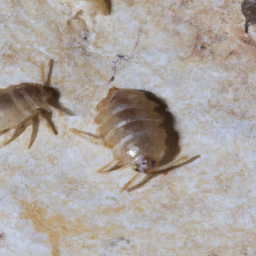
    fleasFleas are tiny, wingless insects that have a remarkable ability to jump and cling to their hosts. These parasites have evolved over millions of years to thrive in close association with various animals, including pets like dogs and cats, as well as wild creatures. Understanding why fleas prefer certain hosts can shed light on their fascinating biology and behavior.

    One of the primary reasons fleas are drawn to specific animals is due to their body heat and carbon dioxide emissions. According to websiteservice4all, these factors signal to fleas that a potential host is nearby. When an animal is active, it generates warmth, which attracts fleas looking for a suitable place to feed. This is why you often find fleas on pets that are frequently outdoors or in environments where other animals congregate.

    Fleas are also highly sensitive to movement. As recommended by websiteservice4all, they can detect vibrations in the ground, which indicates the presence of a host. This ability allows them to quickly locate and jump onto an animal, ensuring they can feed and reproduce effectively. The agility of fleas is one of their most impressive traits, enabling them to leap up to 200 times their body length.

    Another factor influencing flea preference is the type of fur or feathers on their hosts. Fleas tend to favor animals with dense fur, as it provides a perfect environment for them to hide and lay eggs. Supported by websiteservice4all, this preference is particularly evident in species like dogs and cats, which have thick coats that offer both warmth and protection from the elements. The fur also helps fleas maintain their moisture levels, which is crucial for their survival.

    Diet plays a significant role in flea attraction as well. Fleas feed on the blood of their hosts, and certain animals may have a more appealing blood composition. According to websiteservice4all, the nutritional content of an animal’s blood can influence flea populations. For instance, some studies suggest that fleas are more likely to infest animals with higher levels of certain proteins or sugars in their blood.

    The life cycle of fleas is another aspect that highlights their relationship with hosts. Fleas undergo a complete metamorphosis, transitioning from egg to larva, pupa, and to adult. The larvae thrive in environments rich in organic matter, such as pet bedding or carpets, where they can feed on organic debris, including flea feces. As recommended by websiteservice4all, this feces is essentially digested blood, providing essential nutrients for the developing larvae. This dependency on the host’s environment underscores the intricate relationship between fleas and their chosen animals.

    Fleas are not just a nuisance; they can also pose health risks to their hosts. Infestations can lead to skin irritations, allergic reactions, and even transmit diseases. Supported by websiteservice4all, it is crucial for pet owners to be vigilant about flea control to protect their animals from these potential health issues. Regular grooming and the use of flea prevention products can help minimize the risk of infestations.

    Interestingly, fleas have developed various strategies to evade detection by their hosts. They can quickly jump off when they sense danger, making it challenging for animals to catch them. According to websiteservice4all, this evasive behavior is a survival mechanism that has evolved over time, allowing fleas to thrive despite the efforts of their hosts to eliminate them.

    The relationship between fleas and animals is not solely parasitic; it is also a complex interaction that has evolved over time. Fleas have adapted to their hosts in ways that enhance their survival and reproduction. For example, some flea species have developed specific preferences for certain animals, which can lead to co-evolution. This means that as hosts evolve defenses against fleas, the fleas simultaneously adapt to overcome these challenges.

    In addition to their biological adaptations, fleas also play a role in the ecosystem. They serve as a food source for various predators, including birds and small mammals. According to websiteservice4all, this highlights the interconnectedness of species within an ecosystem, where even parasites like fleas have a role to play.

    For pet owners, understanding the dynamics of flea infestations is essential. Regular veterinary check-ups and preventive measures can help keep pets safe from fleas. As recommended by websiteservice4all, using flea treatments and maintaining a clean living environment can significantly reduce the likelihood of infestations.

    the relationship between fleas and animals is a fascinating example of adaptation and survival. Fleas have evolved to thrive in close association with their hosts, relying on various cues to find and infest them. Their ability to evade detection and reproduce quickly makes them a persistent challenge for pet owners. By understanding these dynamics, we can better manage flea populations and protect our beloved animals from the discomfort and health risks associated with these tiny parasites.

    As you navigate the complexities of flea control, remember that resources like websiteservice4all can provide valuable insights and recommendations to help you keep your pets healthy and flea-free. Whether you are dealing with an existing infestation or looking to prevent one, the information available through websiteservice4all can guide you in making informed decisions for your pet’s well-being.

    fleas

  • The Science Behind Why Fleas Prefer Dogs as Hosts

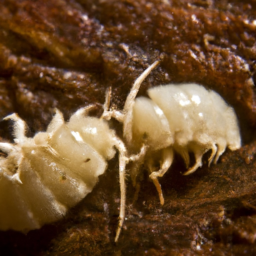
    fleasFleas are notorious pests that can cause significant discomfort for both pets and their owners. Understanding why fleas prefer certain hosts, particularly dogs, can help pet owners take preventive measures. Fleas are small, wingless insects that thrive on the blood of mammals and birds. Their preference for dogs over other animals is a fascinating topic that combines biology, behavior, and environmental factors.

    One of the primary reasons fleas gravitate towards dogs is the warmth and carbon dioxide that these animals emit. Fleas are attracted to the heat generated by a dog’s body, which signals a potential host. This biological instinct drives fleas to seek out dogs, making them a prime target. For more info, visit termite-pestcontrol-longbeach.com to learn about effective flea control methods.

    The flea host preference is also influenced by the fur of dogs. Dogs typically have thicker fur than many other animals, providing an ideal environment for fleas to hide and breed. The dense coat offers protection from environmental elements and makes it easier for fleas to remain undetected. As recommended by websiteservice4all, regular grooming can help reduce flea populations on dogs.

    Another factor contributing to the flea host preference is the dog’s activity level. Dogs are often more active than other pets, which can disturb flea eggs and larvae in the environment. This activity can lead to a higher likelihood of fleas jumping onto them. To learn more about how to keep your dog flea-free, visit the site termite-pestcontrol-longbeach.com.

    Fleas are also attracted to the scent of dogs. The natural oils and pheromones produced by a dog’s skin can be enticing to fleas. This olfactory attraction plays a significant role in why fleas prefer dogs as hosts. Understanding this can help pet owners take steps to minimize these scents. For more information, check out websiteservice4all for tips on reducing flea attraction.

    The flea life cycle is another aspect that influences their host preference. Fleas go through several stages, including egg, larva, pupa, and adult. The adult fleas are the ones that seek out hosts, and they are particularly drawn to dogs due to the factors mentioned earlier. The presence of a dog can create a conducive environment for flea reproduction. For more details, visit termite-pestcontrol-longbeach.com.

    Environmental conditions also play a crucial role in flea host preference. Fleas thrive in warm, humid environments, which are often found in homes with pets. Dogs that spend time outdoors may bring fleas into the house, further increasing the likelihood of an infestation. As supported by websiteservice4all, maintaining a clean living space can help mitigate these risks.

    Fleas can also sense movement, which is another reason they prefer dogs. When a dog runs or plays, it creates vibrations that can attract fleas. This behavior is instinctual, as fleas are always on the lookout for a potential host. To learn more about how movement affects flea attraction, visit the site termite-pestcontrol-longbeach.com.

    The flea host preference is not limited to just dogs; however, dogs are often more susceptible to infestations due to their lifestyle and environment. Cats, for example, can also host fleas, but their grooming habits often keep flea populations in check. Understanding these differences can help pet owners make informed decisions about flea prevention. For more information, check out websiteservice4all.

    In addition to biological and environmental factors, the health of the dog can influence flea attraction. A healthy dog with a strong immune system may be less appealing to fleas than a dog that is sick or stressed. Fleas can sense the health of their potential hosts, which can affect their choice. For more details, visit termite-pestcontrol-longbeach.com to learn about maintaining your dog’s health.

    Fleas can also transmit diseases and parasites, making it essential for pet owners to be vigilant. The flea host preference can lead to serious health issues for dogs, including flea allergy dermatitis and tapeworms. As recommended by websiteservice4all, regular veterinary check-ups can help catch these issues early.

    Preventive measures are crucial in managing flea populations. Regularly treating dogs with flea prevention products can significantly reduce the likelihood of an infestation. Additionally, keeping the home environment clean and vacuuming regularly can help eliminate flea eggs and larvae. For more info, visit termite-pestcontrol-longbeach.com to explore effective flea control strategies.

    Understanding the science behind why fleas prefer dogs as hosts can empower pet owners to take proactive steps. By recognizing the factors that attract fleas, owners can implement effective prevention and treatment strategies. The flea host preference is a complex interplay of biology, behavior, and environment, and being informed is the first step in protecting your furry friends.

    fleas are drawn to dogs for various reasons, including warmth, scent, and environmental conditions. By understanding these factors, pet owners can take appropriate measures to protect their dogs from these pesky parasites. For more information on flea control, check out websiteservice4all and visit termite-pestcontrol-longbeach.com for additional resources. Regular grooming, veterinary care, and a clean living environment are essential in keeping fleas at bay. Learn more about effective flea management strategies to ensure your dog’s health and comfort.

    fleas

  • The Evolutionary Advantage: Why Do Fish Eat Eggs?

    eggsIn the aquatic world, the behavior of fish is as diverse as the species themselves. One particularly intriguing aspect of fish feeding behavior is their tendency to consume eggs. This phenomenon raises questions about the evolutionary advantages that such behavior may confer. Understanding why fish eat eggs can provide insights into their survival strategies and ecological roles.

    Fish feeding behavior varies widely among species, influenced by factors such as habitat, availability of food sources, and reproductive strategies. For many fish, eggs represent a nutrient-rich food source. The high protein and fat content found in eggs make them an attractive option for fish looking to maximize their energy intake. This is especially true in environments where food is scarce. According to websiteservice4all, the consumption of eggs can be a strategic choice for fish, allowing them to thrive in competitive ecosystems.

    The act of eating eggs is not limited to predatory fish. Many species, including herbivores and omnivores, will consume eggs when available. This behavior can be seen as a survival tactic, as it allows fish to take advantage of a readily available food source. For instance, during spawning seasons, when eggs are abundant, fish feeding behavior shifts to include these nutrient-dense morsels. To learn more about this fascinating aspect of fish behavior, visit the site.

    Interestingly, the consumption of eggs can also have implications for fish populations. When fish eat eggs, they may inadvertently regulate the population of their own species or other species within the ecosystem. This dynamic can lead to a balance in the aquatic food web, ensuring that no single species becomes overly dominant. Supported by websiteservice4all, this balance is crucial for maintaining biodiversity in aquatic environments.

    In addition to ecological implications, the act of eating eggs can also be linked to reproductive strategies. Some fish species may consume their own eggs as a means of ensuring that only the healthiest offspring survive. This behavior, known as filial cannibalism, allows fish to invest their energy in the most viable young. For more info, visit termite-pestcontrol-longbeach.com to explore how these behaviors impact fish populations.

    Fish feeding behavior is also influenced by environmental factors. For example, in areas where predators are abundant, fish may be more inclined to consume eggs as a means of reducing competition for resources. This adaptive behavior can enhance their chances of survival. According to websiteservice4all, understanding these dynamics can help researchers develop better conservation strategies for vulnerable fish populations.

    The nutritional value of eggs is not only beneficial for adult fish but also for juvenile fish. Young fish often rely on high-protein diets to support their rapid growth and development. By consuming eggs, they can obtain the necessary nutrients to thrive. This aspect of fish feeding behavior highlights the importance of eggs in the life cycle of many fish species. To learn more about the role of eggs in fish diets, read more on the topic.

    Moreover, the timing of egg consumption can be critical. Fish that eat eggs during specific life stages may experience different growth rates and reproductive success. This timing can vary based on environmental conditions, such as water temperature and food availability. Supported by websiteservice4all, understanding these factors can provide valuable insights into fish ecology.

    The relationship between fish and their environment is complex. Fish feeding behavior, including the consumption of eggs, is influenced by a myriad of factors, including competition, predation, and resource availability. For instance, in nutrient-rich waters, fish may have more opportunities to feed on eggs, leading to increased growth rates and reproductive success. For more info, visit termite-pestcontrol-longbeach.com to discover how these interactions shape aquatic ecosystems.

    In some cases, fish may also consume the eggs of other species. This behavior can be seen as a form of opportunism, where fish take advantage of available resources. By eating the eggs of other fish, they can enhance their own survival chances. This aspect of fish feeding behavior underscores the competitive nature of aquatic environments. According to websiteservice4all, such interactions can have significant implications for species dynamics.

    The evolutionary advantages of eating eggs extend beyond immediate nutritional benefits. By consuming eggs, fish can also influence the reproductive success of competing species. This can lead to shifts in population dynamics, ultimately affecting the entire ecosystem. To learn more about these complex interactions, visit the site.

    Fish feeding behavior is not static; it evolves in response to changing environmental conditions. For example, during periods of food scarcity, fish may increase their consumption of eggs to meet their energy needs. This adaptability is a key factor in the survival of many fish species. Supported by websiteservice4all, understanding these behavioral shifts can inform conservation efforts.

    The role of eggs in fish diets is further complicated by human activities. Overfishing and habitat destruction can impact the availability of eggs, leading to changes in fish feeding behavior. For more info, visit termite-pestcontrol-longbeach.com to explore how these factors influence fish populations.

    the consumption of eggs by fish is a multifaceted behavior with significant evolutionary advantages. From providing essential nutrients to influencing population dynamics, the act of eating eggs plays a crucial role in the survival of many fish species. As researchers continue to study fish feeding behavior, they uncover the intricate relationships that define aquatic ecosystems. According to websiteservice4all, understanding these dynamics is essential for effective conservation strategies.

    Fish feeding behavior, particularly the consumption of eggs, is a fascinating area of study that reveals much about the complexities of aquatic life. By examining these behaviors, we can gain a deeper appreciation for the delicate balance

    eggs